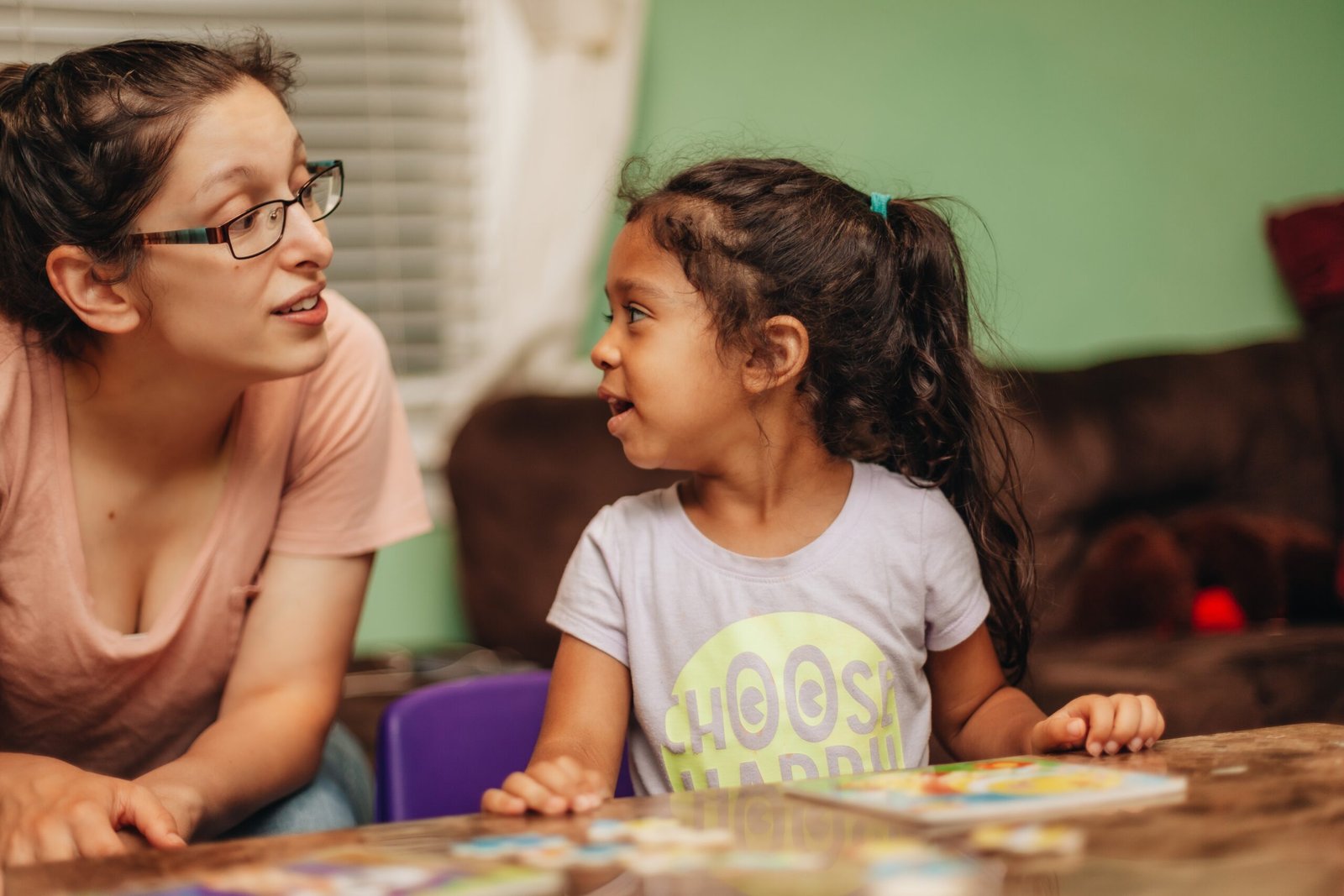
Skills training for the people who matter most: you.
Hands-on coaching gives caregivers practical tools to support progress at home and in the community.
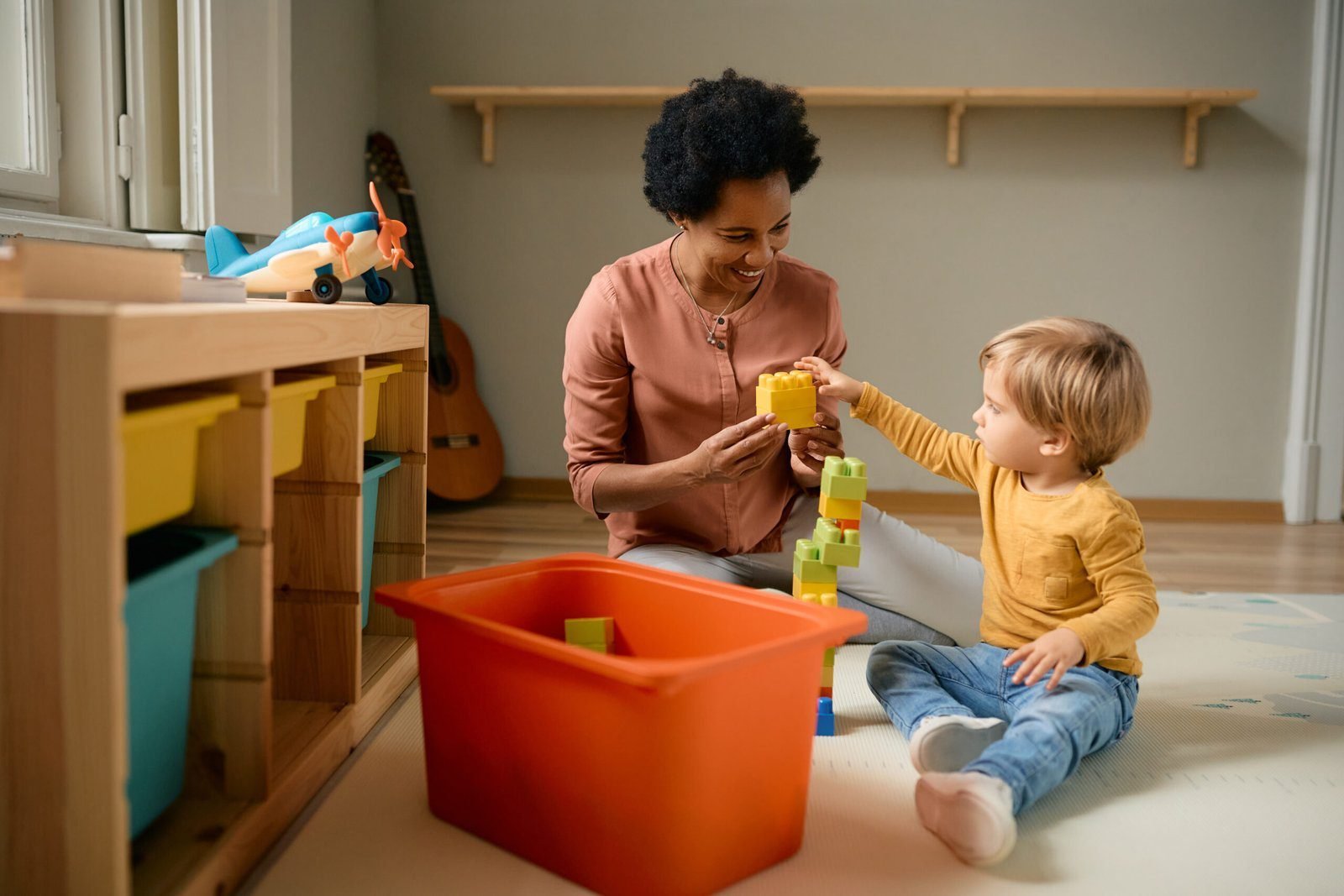
Support beyond the clinic
Practice happens in the places and routines where your family needs it most.
Family Coaching
Practice where everyday life happens.
Caregivers learn by watching, trying strategies together, and adjusting them for real routines such as mealtimes, toileting, transitions, community outings, or bedtime. Coaching can happen in the clinic, at home, or in the community when clinically appropriate.
Reinforcement Strategies
Learn how to identify helpful reinforcers, practice new skills, and build consistency across daily routines.
Daily Routines
Work through toileting, mealtimes, transitions, bedtime, or other routines with direct coaching.
Community Practice
Practice strategies in places such as a park, store, or restaurant so new skills can carry across environments.
Responding with Confidence
Understand why a behavior may be happening and practice strategies that teach a more useful way to meet the same need.
Why It Matters
Skills that only work in the clinic are not finished.
Family skills training helps new learning carry into home and community life. Caregivers participate at least monthly, with more support available when needs or transitions change.
Hands-on, not lecture style
We demonstrate, practice together, and adjust the strategy to fit your family’s routines.
A plan that flexes with you
Training can increase during transitions or when a new challenge appears.
Family Skills Training FAQs
What does caregiver coaching look like?
Caregivers watch strategies, practice them with support, ask questions, and adjust the approach for routines such as meals, transitions, toileting, bedtime, or community outings.
Where can coaching happen?
Coaching may occur in the clinic, at home, or in the community when clinically appropriate and included in the child’s plan.
How often do caregivers participate?
Caregivers participate at least monthly, with additional support when needs, goals, or family transitions call for it.
Bring successful strategies into everyday life.
Start intake and tell us which routines or challenges matter most to your family.